
Microplastics Disrupt Immune System & Macrophages, Fueling Infection & Health Risks
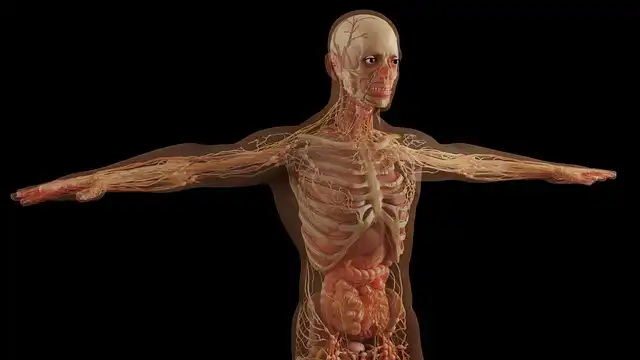
New research shows microplastics impair macrophage function, hindering the body's ability to fight infections and clear dead cells. This impacts fertility and may worsen diseases like atherosclerosis, raising significant human health concerns.
Microplastics & Immune Interference
To determine if microplastics could avoid macrophages from combating infections, the group administered the fungi Aspergillus fumigatus, which triggers respiratory system infections in immunosuppressed individuals, to the computer mice’s lungs. They discovered that the mice that were given microplastics battled to get rid of the infection and experienced worse disease.
However, researchers have actually not shown that microplastics directly cause condition. “I believe that actually triggered myself and various other associates in the area to try and recognize this,” Perry informed Live Scientific research. For the new research study, he and his colleagues focused on polystyrene, a typical plastic that is made use of in food containers and breaks down right into microplastic particles that can be as little as an infection or as large as a grain of sand.
Diverse Health Impacts
Microplastics may additionally lower fertility when taken up by macrophages in the testes. Perry and his coworkers exposed male computer mice to regular dosages of microplastics and discovered that their sperm counts reduced over 18 weeks.
Microplastics infect air, dirt and water; are plentiful in food and beverages; and have been discovered in numerous human cells and liquids, including blood, bust milk, the brain, the liver and reproductive body organs. Eliseo Castillo, that looks into just how microplastics affect health and wellness at the College of Mexico but was not entailed with the study, told Live Scientific research in an e-mail that “due to the fact that plastic manufacturing remains to raise and these materials gradually piece over time, microplastic air pollution is expected to keep rising in the future.”
Because it signals that a danger such as an infection might be causing tissue damage, an accident of dead cell material like DNA can alarm the immune system. This can set off swelling, potentially precipitating autoimmune conditions, Castillo said.
Perry intends to examine examples extracted from human beings– specifically, just how microplastics could contribute to atherosclerotic plaques that congest capillary. It’s currently recognized that macrophages packed with undigested product gather in these blood-flow-stopping plaques, so he and his coworkers hypothesize that microplastics might aggravate the problem, he claimed.
Microplastics that collect in the body can interfere with the body immune system by avoiding immune cells from gobbling up microbes and getting rid of dead cells, a brand-new research study in computer mice and lab meals shows. Although it’s still unclear exactly how this might play out in the human body, professionals claim the study has potential implications for human health and wellness.
“Whether this leads to greater infection prices in individuals is still unidentified,” Castillo claimed. “Right now, there is no clear public wellness evidence straight connecting microplastic exposure to boosted infections in people.”
Perry and his coworkers administered this nonbiodegradable plastic to human macrophages cultured in laboratory plates. They also inserted the microplastic bits right into the airways of computer mice, euthanized them and extracted their lungs to photo on a microscopic lense. Cells that used up the particles had a hard time to swallow up and damage dead cell issue or transmittable microorganisms like germs or fungi, the group discovered.
Kamal Nahas is an independent contributor based in Oxford, U.K. His job has appeared in New Scientist, Science and The Scientist, to name a few outlets, and he mostly covers research study on health and wellness, innovation and evolution. He holds a PhD in pathology from the University of Cambridge and a master’s degree in immunology from the University of Oxford. He presently works as a microscopist at the Ruby Light Source, the U.K.’s synchrotron. You can discover him searching for fossils on the Jurassic Coast when he’s not writing.
The accumulation of microplastics in the body has been correlated with atherosclerosis, in which plaque builds up in the inner walls of arteries, triggering them to come to be slim and stiff; neurodegeneration; and cancer cells, claimed Justin Perry, an immunologist at Memorial Sloan Kettering Cancer cells Center and senior writer of the research, which was published March 10 in the journal Immunity.
They likewise inserted the microplastic fragments into the respiratory tracts of computer mice, euthanized them and extracted their lungs to image on a microscopic lense. Microplastics additionally quit macrophages from engulfing and destroying dead cell issue, possibly causing clutter to construct up in tissues. Microplastics might likewise reduce fertility when taken up by macrophages in the testes. Perry and his colleagues subjected male mice to normal dosages of microplastics and found that their sperm counts lowered over 18 weeks.
For the new study, he and his colleagues focused on polystyrene, a typical plastic that is made use of in food containers and breaks down into microplastic bits that can be as tiny as a virus or as large as a grain of sand.
Long-Term Cellular Burden
Microplastics also stopped macrophages from engulfing and damaging dead cell matter, potentially creating litter to develop in cells. Perry claimed individuals lose 2% of their body mass each day because of cell fatality, and it’s up to macrophages to eliminate the dead clutter. “It has to do with 3 million [passing away] cells per secondly. It’s quite a large burden [you really do the math for macrophages],” Perry added
“That’s type of terrifying, since that indicates that we really haven’t progressed a feedback to them,” Perry stated, so it’s feasible that cells hoard enhancing volumes of microplastics throughout a person’s life time, he added.
It’s very easy and quick to gain access to Live Science Plus, merely enter your e-mail listed below. We’ll send you a verification and authorize you up for our day-to-day newsletter, keeping you as much as date with the current science information.
Contact me with news and offers from other Future brandsReceive email from us in support of our relied on companions or sponsorsBy sending your info you accept the Terms & Problems and Privacy Plan and are aged 16 or over.
Microplastics are tiny fragments that break off of plastic products, like canteen, food storage containers and fridge freezer bags. These undigestible particles accumulate in the body, scientists stay uncertain exactly how they contribute to health problem. The brand-new research study disclosed that these small particles can clog up and interrupt the function of macrophages, cells that engulf and ruin possibly unsafe infections, fungis or germs, as well as dead cells.
1 Fertility Impact2 human health
3 Immune System Dysfunction
4 macrophages
5 microplastics
6 plastic pollution
« Bonobo Aggression: New Study Challenges ‘Hippie’ MythAmazon Molly Fish Defies Asexual Doom with DNA Gene Conversion Repair »