
C/2026 A1 (MAPS): Rare Sungrazer Comet’s Close Solar Encounter & Potential Visibility
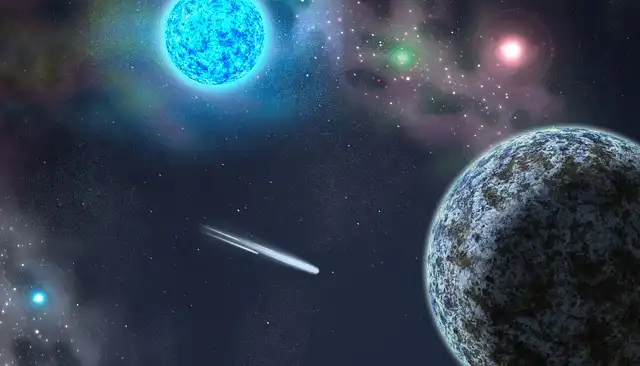
C/2026 A1 (MAPS), a rare Kreutz sungrazer comet, will pass near the sun on April 4. It may become visible with a bright tail around April 9 after sunset, but faces the risk of disintegration during its close encounter.
C/2026 A1 (MAPS): A Rare Sungrazer
C/2026 A1 (MAPS) comes from an unique family of comets called Kreutz “sungrazers,” so called since they obtain really close to the sun, lighting up brightly however frequently getting into smaller items. There are around 3,500 participants of the Kreutz family, every one of which are thought to be pieces of a single large comet that obtained as well close to the sun concerning 1,700 years back, according to Live Science’s sibling site Space.com.
Jamie Carter is a Cardiff, U.K.-based freelance science reporter and a routine factor to Live Scientific research. He is the writer of A Stargazing Program For Beginners and co-author of The Eclipse Result, and leads worldwide stargazing and eclipse-chasing tours. His work shows up consistently in Space.com, Forbes, New Researcher, BBC Sky at Night, Sky & Telescope, and various other significant science and astronomy magazines. He is likewise the editor of WhenIsTheNextEclipse.com.
Visibility and Survival Prospects
If that occurs, Comet C/2026 A1 (MAPS) will certainly be the initial of 2 comets noticeable in April, with the most likely dimmer but more foreseeable C/2025 R3 (PanSTARRS) readied to come to be a very easy binocular target close to April 20.
Contact me with news and uses from various other Future brandsReceive e-mail from us in support of our relied on companions or sponsorsBy submitting your details you agree to the Conditions & terms and Personal privacy Policy and are aged 16 or over.
Unless it damages apart prior to it gets close to the sunlight, there will be an opportunity of seeing a potentially huge and bright tail in the western evening skies beginning around April 9, according to the BAA.
A rare “sungrazer” comet is about to pass extremely near our celebrity and could end up being visible in daylight– or it could completely break down before our eyes. Either way, there could be something unique to see in the night sky, with a large tail possibly visible late today.
It will certainly be hard to see before April 4 because C/2026 A1 (MAPS) is taking a trip right into the sun’s glow. If it endures its close encounter with the sun– also if it pieces– it can become noticeable momentarily after sunset in the evenings that follow. Unless it disintegrates before it obtains near to the sunlight, there will be a possibility of seeing a potentially large and brilliant tail in the western evening sky starting around April 9, according to the BAA.
It’s easy and fast to accessibility Live Scientific research Plus, just enter your email below. We’ll send you a verification and authorize you up for our daily newsletter, maintaining you as much as date with the current scientific research information.
Close Encounter with the Sun
C/2026 A1 (MAPS) is expected to obtain within 98,000 miles (158,000 km) of the sun’s surface area and go through the reduced areas of the sun’s external atmosphere, or corona, at 9:30 a.m. EDT (13:30 UTC) Saturday (April 4), according to the British Astronomical Organization (BAA). According to the European Space Company, numerous Kreutz sungrazers evaporate, but if they survive, they might place on a stunning show.
Jamie Carter is a Cardiff, U.K.-based freelance science journalist and a normal contributor to Live Science. His job shows up routinely in Space.com, Forbes, New Researcher, BBC Sky at Evening, Sky & Telescope, and various other significant scientific research and astronomy magazines.
1 C/2026 A1 (MAPS)2 Comet visibility
3 Night sky viewing
4 Solar encounter
5 Sungrazer comet
« Infections Linked to Increased Dementia Risk: New Prevention Insights