
February Stargazing Guide: Best Gear for Moon, Planets, and Stars
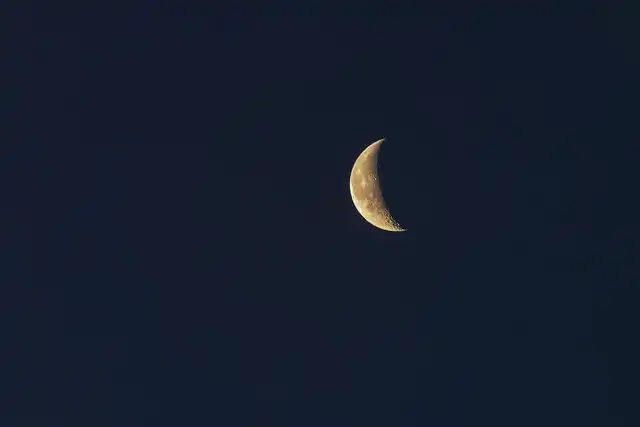
Explore February's night sky with expert tips on viewing the moon and planetary conjunctions using the best telescopes, binoculars, and astrophotography cameras.
She has actually likewise added to our sis website Space.com and Technology Radar, and she consistently makes use of telescopes and binoculars to stargaze in the dark skies of South Wales.
Essential Equipment for Lunar Observation
Telescope: Clear, dark skies are an ideal time to put a wise telescope to work. If you’re even more of an empirical astronomer, you would certainly be better off with an extra traditional telescope with an eyepiece, yet a clever telescope allows you record photos of galaxies, galaxies and star collections without the difficulty and bother of mounting your video camera to a telescope.
We’ve been evaluating the 8×42 model for birdwatching, and the comparison, quality and intensity are amazing– in addition to, there’s no color fringing around contrast-y items like the moon. The 10x zoom will certainly offer you a better sight of the moon and evening sky, although if you intend to save money, the 8x design is additionally ideal for even more informal stargazing.
It’s fast and easy to gain access to Live Scientific research Plus, simply enter your e-mail listed below. We’ll send you a confirmation and authorize you up for our day-to-day newsletter, maintaining you as much as day with the most up to date scientific research information.
Camera: It’s the lens that matters most here– you’ll want a long telephoto lens where you can focus on the moon. Also better if you record it with some type of landmark, hill or building for scale.
Telescope: You do not require a huge configuration to see the moon– a small telescope will get the job done well. A 3- to 5-inch telescope will certainly be enough, with a 6-inch-plus tool generating even more comprehensive sights.
If you intend to see its clear blue color, you’ll require at the very least a 6-8-inch aperture. You will certainly be able to see it with a smaller sized extent, yet it’ll likely simply be a grey point that appears like all the various other stars. Fortunately, it’s nearly the new moon, so the sky will be nice and dark to give you the best opportunity of seeing it.
A set of budget plan binoculars will get the job done if you desire a fast eye the moon, but to see finer information with better clarity and comparison, you’ll want to update– particularly when you’re taking a look at a slim crescent moon.
Electronic camera: For long exposure astrophotography, the brand-new moon week is the suitable time, particularly if you intend to photograph the Milky Way. As long as your camera executes well at high ISO degrees and you utilize a broad lens with a fast aperture, you’ll get some beautiful shots.
Camera: Realistically, any one of the most effective astrophotography cams or best beginner astro electronic cameras will certainly be great below, however the technique will certainly be to utilize a star tracker in order to photo it. You’ll either require to make use of a long lens with a tripod and celebrity tracker, or mount your camera onto your telescope (offered it has a mechanized install).
Call me with information and offers from various other Future brandsReceive email from us in behalf of our relied on companions or sponsorsBy sending your info you accept the Terms & Conditions and Privacy Policy and are aged 16 or over.
Planetary Conjunctions and February Highlights
Field glasses: To get the very best view, install a pair of astronomy binoculars on a tripod and take pleasure in the view as the moon crosses the Pleiades. You’ll desire a pair with at the very least 15x zoom and a suitable dimension exit pupil (4mm+).
You’ll be able to see Mercury, Venus, Jupiter and Saturn with just the nude eye, yet making use of binoculars or a telescope will certainly reward you with much better observations.
The 79.5% moon will be in conjunction with Jupiter in the early hours of Feb. 27 (around 01:30 AM ET)if you’re an evening owl. You will certainly be able to see it with the naked eye, however you’ll require effective binoculars or a telescope to see Jupiter and its moons go away and re-emerge once more.
At the end of February, we’re dealt with to a global lineup containing Mercury, Venus, Jupiter, Saturn, Uranus and Neptune. The equipment you ought to use depends on what you want to see and just how much information. You’ll have the ability to see Mercury, Venus, Jupiter and Saturn with simply the naked eye, however making use of binoculars or a telescope will certainly compensate you with much better monitorings.
February’s evening sky has a great deal to use for anyone who takes pleasure in seeking out at the stars. From the altering stages of the moon to conjunctions and also a global schedule, there’s plenty to find if you understand when and where to look. We have actually assembled a basic calendar of this month’s highlights so you can prepare your stargazing sessions without missing anything.
We’ve additionally provided item recommendations for each and every occasion– whether that’s with binoculars, a telescope or your cam. Matching the appropriate gear to every event can make a shocking distinction, aiding you see details you might otherwise miss. With a little planning, the night sky comes to be a lot easier to check out.
It’s not the most inexpensive, yet its epic optical efficiency is renowned in the telescope globe– it’s called “the world’s most beloved telescope.” It’s a strong investment that will last years, and its 8-inch aperture will certainly be perfect for watching the farther planets, including Neptune, along with the various other happenings overhead this month.
Telescope: The good news is, you don’t require a huge extent to see the Pleiades in all their splendor– a little to medium-sized telescope with an 80-130mm aperture, in addition to a good eyepiece, will certainly typically supply a rewarding sight without damaging the financial institution. A wise telescope can take photos or video clip time-lapses if you desire to go an action additionally and picture the occultation.
Field glasses: As long as your field glasses have an unbiased lens size of 42mm or above, you’ll be able to obtain great views of the night skies. Magnifying needs to be at least 10x, but choose an extra effective pair if you intend to see Jupiter’s moons.
Advanced Gear for Astrophotography
This outstanding telescope integrates transportability with giant optics that novices and skilled astronomers alike will like. It has an electronic GoTo mount, a 10-hour battery life and was the first Schmidt-Cassegrain with integrated WiFi, so you can easily manage it from your smartphone or tablet as opposed to a fiddly hand controller.
Telescope: To see Jupiter and its moons in greater information, you’ll want an extent with at least a 60-90mm aperture– or approximately 8 inches if you want an also far better sight. What’s equally vital here is to use proper zoom in a good-quality eyepiece if you want to see the bands and the Great Red Place.
After sundown, the crescent moon will be in combination with Mercury reduced in the western skies. As Mercury is now at its best eastern prolongation, this is the very best time to see it. As the moon passes, Mercury will go behind the moon for a brief occultation.
Binoculars: Make use of a set of astronomy binoculars with a 15x (or higher) zoom if you likewise intend to look into Jupiter’s moons. You may be able to find Uranus and Neptune utilizing a celebrity map, yet they’ll simply look like any other celebrity.
Viewing the Snow Moon and Star Clusters
February starts with the bright, full Snow Moon. It’s a remarkable sight with the naked eye, you can get an also more detailed look with binoculars or a telescope, and it’s additionally a great photography target.
Kimberley Lane, E-commerce author for Live Science, has examined a large range of optical equipment, assessing camera gear from Sony, Canon, OM System and much more. With over 6 years of digital photography experience, her abilities cover throughout landscape and seascape digital photography, wild animals, astrophotography and picture work. Her pictures have been included in a variety of nationwide publications, including Digital Video camera World and Cosmopolitan. She has also contributed to our sis website Space.com and Tech Radar, and she regularly uses binoculars and telescopes to daydream at night skies of South Wales.
Top Product Recommendations for Stargazers
If your budget allows, our leading choice is the Celestron NexStar 8SE. It covers our finest telescopes guide and earned 4.5 celebrities in our full Celestron NexStar 8SE testimonial. Reasonably, you won’t get a meaningful view of Neptune for more affordable than this type of cost point.
If you live near a dark-sky location, you can typically see the Milky Way with the nude eye, but a telescope or pair of field glasses will certainly display the most effective the night skies has to offer– Andromeda, the Orion Galaxy and fainter galaxies will look stunning. It’s additionally the ideal time to go out with your astrophotography camera, either to capture landscape astrophotos or install it to your telescope for some deep-sky astrophotography.
Telescope: If you intend to find Saturn’s rings, you’ll need a telescope– anything from 3 to 6 inches will certainly do– and if you want any kind of purposeful details of Uranus or Neptune, you’ll require a larger telescope (8-inch and above).
We’ve also provided product referrals for each event– whether that’s with field glasses, a telescope or your video camera. It tops our best telescopes overview and gained 4.5 stars in our full Celestron NexStar 8SE testimonial. As the moon passes, Mercury will certainly go behind the moon for a quick occultation.
At night of Feb. 23, the moon will certainly graze across the top of the Pleaides star cluster– a preferred among stargazers. Relying on your location, it’ll take place between around 22:00 and 00:15 ET.
1 Array radio telescope.2 Astronomy Events
3 February events
4 moon
5 night sky
6 stargazing gear guide
« Pulsars Reveal Distant Dark Matter SubhaloReview: Susan Wise Bauer’s ‘The Wonderful Shadow’ – A History of Illness »