
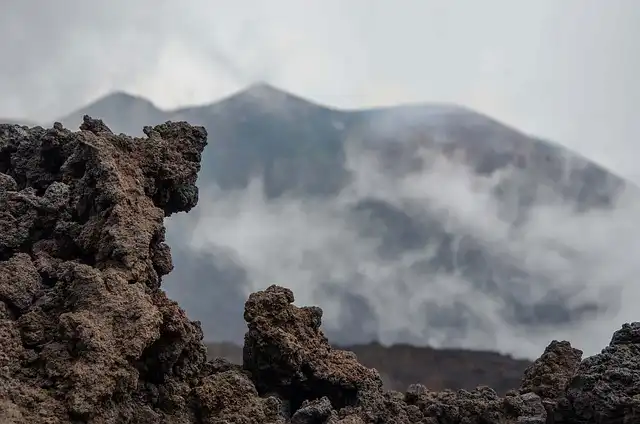
Ancient Eruption Reveals Andean Mountain Building Secrets
A massive volcanic eruption in Chile buried a landscape, preserving clues about Andean mountain formation. New research suggests a slow, steady uplift of the crust over millions of years.
A massive volcanic eruption in Chile buried a landscape, preserving clues about Andean mountain formation. New research suggests a slow, steady uplift of the crust over millions of years.
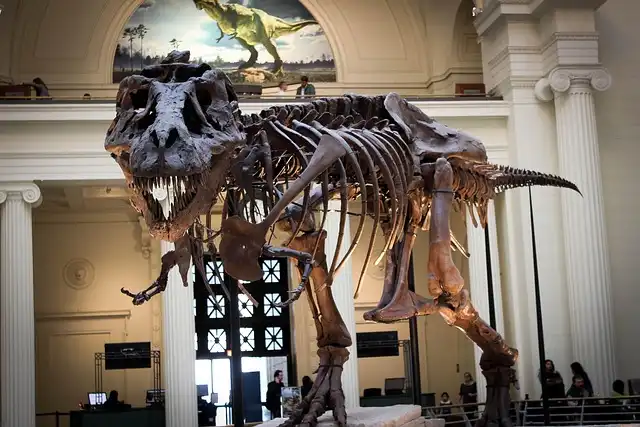
Researchers estimated T. rex's body temperature to be 97.3°F (36.3°C), comparable to humans and elephants, indicating it was a warm-blooded, active predator. This finding impacts understanding of its habitat and behavior during the Cretaceous period.
A pristine mastodon molar, identified as a Pacific mastodon, was unearthed in California. This significant fossil from the last glacial epoch provides valuable insights into prehistoric North America and species differentiation.
New research highlights Mexico's pivotal role in ancient mammal migration between North and South America. Prior to the Isthmus of Panama forming, Mexico served as a 'holding pen,' allowing northern species to adapt and diversify before entering South America.
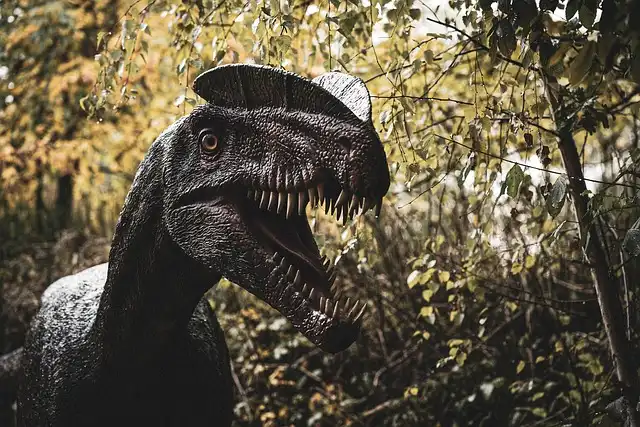
A new species of mosasaur, Tylosaurus rex (T. rex), has been identified in Texas, exceeding its predecessor T. proriger in size and featuring serrated teeth. The discovery prompts a re-evaluation of mosasaur evolution and classification.
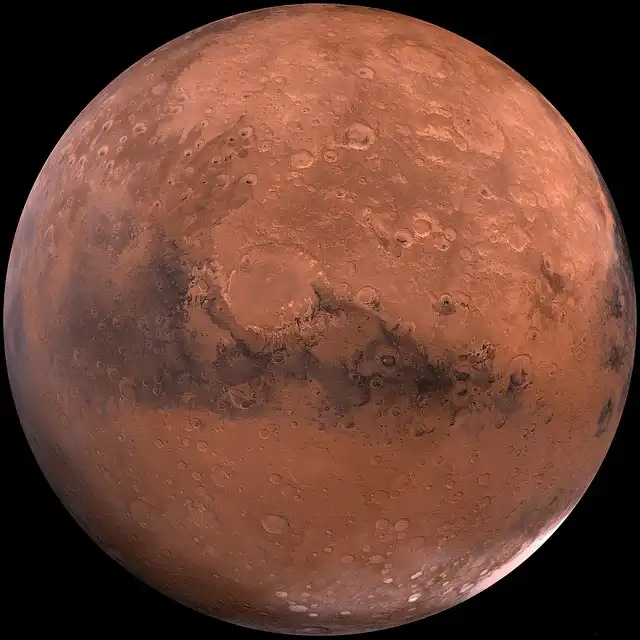
A 290-million-year-old regurgitalite found in Germany reveals the diet of early land predators. This rare find provides a snapshot of a Permian ecosystem within the supercontinent Pangaea.
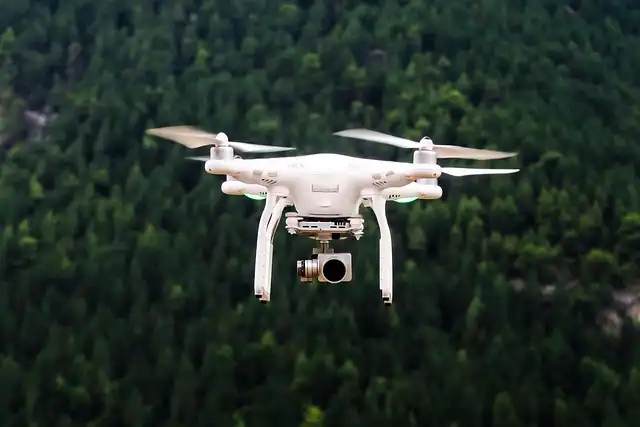
Drones are used to detect lichen on dinosaur bones, potentially speeding up fossil discoveries. Two lichen species prefer dinosaur bones over rock, aiding paleontologists in locating new fossil areas in western Canada.

A 100-million-year-old amber fossil reveals a fungus-infected ant pupa, suggesting zombie fungi have been contaminating ants for twice as long as previously thought. Fungus infected insects.
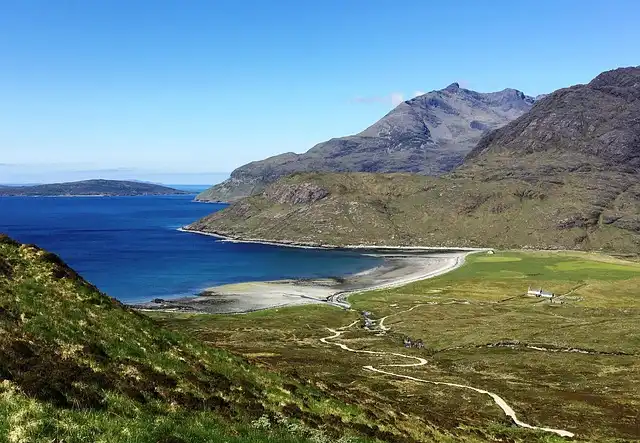
Dinosaur footprints from the Middle Jurassic period (168-166 million years ago) have been discovered on the Isle of Skye. The tracks reveal theropods and sauropods dinosaurs in a shallow lagoon.